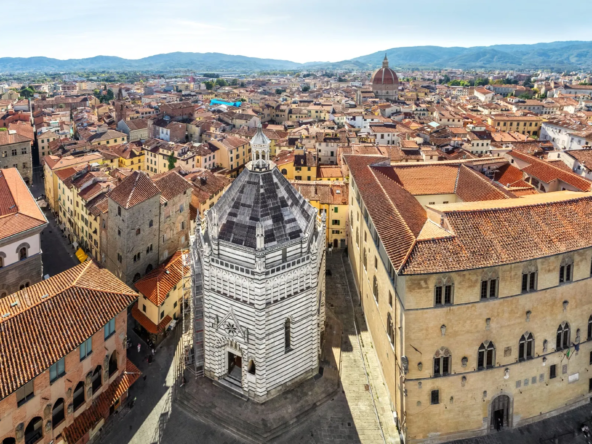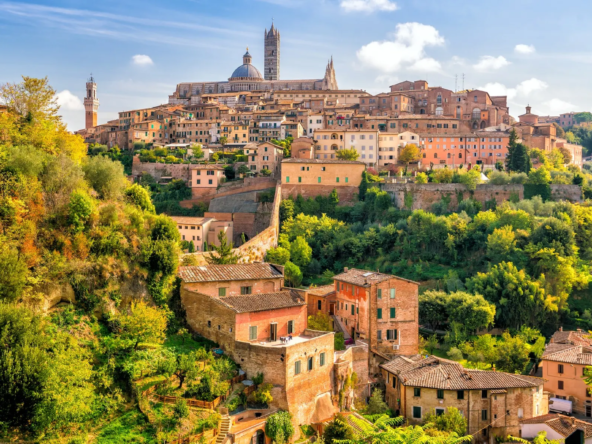
Tuscany, with its rolling hills, charming villages, and rich cultural heritage, is a dream destination for many. Whether you’re looking for a quaint countryside villa, a historic farmhouse, or a modern apartment in a bustling town, buying property in Tuscany can be an exciting and rewarding experience. This ultimate guide will walk you through everything you need to know to make your Tuscan real estate dream a reality.
1. Why Buy Property in Tuscany?
Tuscany offers a unique blend of natural beauty, historical significance, and a high quality of life. The region is known for its picturesque landscapes, world-class wines, and artistic heritage. Owning property here means enjoying a peaceful lifestyle with access to vibrant cities like Florence, Siena, and Pisa. Additionally, the real estate market in Tuscany has shown steady growth, making it a solid investment opportunity.
2. Understanding the Tuscan Real Estate Market
The Tuscan real estate market varies greatly depending on the location. Coastal areas and famous cities like Florence are more expensive, while rural areas and smaller towns can offer more affordable options. It’s important to research the market trends and work with a local real estate agent who understands the nuances of the area you’re interested in.
3. Types of Properties Available
- Villas: These standalone houses often come with large gardens and are ideal for those seeking privacy and space.
- Farmhouses (Casali): Typically found in rural areas, these properties often include land and outbuildings.
- Apartments: Available in both urban and rural settings, apartments can be a more affordable and manageable option.
- Historic Properties: Tuscany is filled with historic buildings, from medieval castles to Renaissance palazzos. Owning a piece of history can be a unique and rewarding experience.
4. The Buying Process
- Find a Real Estate Agent: Working with a local, English-speaking real estate agent can help you navigate the market and understand legal requirements.
- Property Viewings: Once you have a list of potential properties, schedule viewings. It’s important to visit in person to get a true sense of the property and its surroundings.
- Make an Offer: If you find the perfect property, your agent will help you make an offer. This is typically done in writing.
- Preliminary Agreement (Compromesso): Once the offer is accepted, a preliminary agreement is signed, and a deposit (usually 10-20% of the purchase price) is paid.
- Final Contract (Rogito): The final contract is signed in the presence of a notary, who ensures all legalities are observed. The remaining balance is paid, and the property is officially yours.
5. Legal Considerations
- Notary Fees: The notary is an essential part of the process and their fees are usually around 1-2% of the purchase price.
- Property Taxes: Be aware of the taxes associated with buying property, which can include registration tax, mortgage tax, and cadastral tax.
- Legal Assistance: It’s advisable to hire a lawyer who specializes in Italian real estate law to guide you through the process and ensure your interests are protected.
6. Financing Your Purchase
While some buyers choose to pay in cash, obtaining a mortgage in Italy is also an option. Italian banks offer mortgages to foreign buyers, although the process can be more complex than in your home country. It’s important to have a good understanding of the terms and conditions, and it may be helpful to work with a mortgage broker.
7. Renovations and Maintenance
Many properties in Tuscany, especially older ones, may require renovations. It’s crucial to factor in these costs when budgeting for your purchase. Additionally, ongoing maintenance will be needed to preserve the property’s value and charm. Hiring local contractors and craftsmen can ensure that the work is done to a high standard.
8. Living in Tuscany
Once you’ve purchased your dream property, the next step is to settle into Tuscan life. Embrace the local culture, learn some Italian, and immerse yourself in the community. Enjoy the region’s renowned cuisine, explore its historical sites, and make the most of the beautiful natural surroundings.
9. Renting Out Your Property
If you’re not planning to live in Tuscany year-round, consider renting out your property. The region is a popular tourist destination, and vacation rentals can provide a significant income. Make sure to comply with local regulations and possibly hire a property management company to handle rentals.
10. Conclusion
Buying property in Tuscany is a significant investment, but with careful planning and the right guidance, it can also be an incredibly rewarding experience. From understanding the market to navigating the legalities and embracing the Tuscan lifestyle, this ultimate guide provides you with the essential steps to make your dream a reality.
Welcome to Tuscany, where your new adventure awaits!